Shortly after arriving in South Florida, it becomes hard to miss one word that appears in conversation again and again: Season.
Restaurants prepare for Season. Residents decide whether to stay through Season. Traffic is blamed on Season. Reservations become harder to secure because of Season. The word seems to explain everything.
For newcomers, the term can be misleading. Season sounds like a simple reference to winter, and technically, that is part of it. But in Palm Beach, Season describes something larger: a recurring transformation that changes the rhythm of the region.
When Is Season in Palm Beach?
Palm Beach Season generally runs from late fall through spring, with activity peaking between January and April. During these months, seasonal residents return, visitors arrive, social calendars fill, and the region takes on a noticeably different energy.
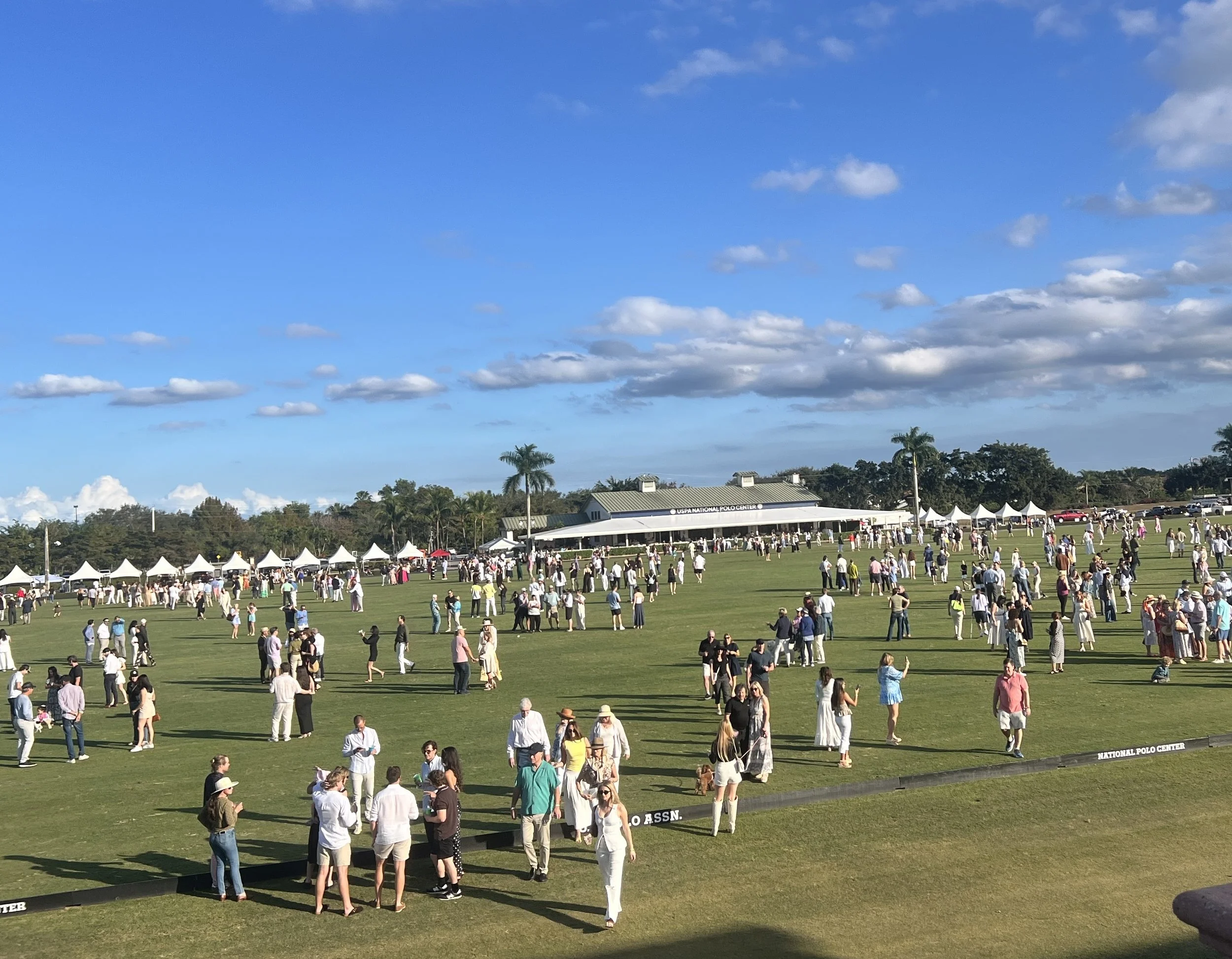
Restaurants become busier. Hotel rates climb. Charity galas, polo matches, and social events return to the calendar. The roads become more crowded, and reservations that were easy to secure in September suddenly require planning weeks in advance.
This is the practical definition of Season. It is also the least interesting part.
Season Isn’t About Weather
Many places have a busy season. Beach towns fill up in summer, ski towns come alive in winter, and tourist destinations everywhere experience periods of increased activity.
Palm Beach is different.
What makes Season distinct is not simply the weather, although the weather certainly helps. It is the migration. Each year, thousands of people return at roughly the same time, bringing with them routines, traditions, social calendars, charitable commitments, and expectations. Businesses prepare for it, communities adjust to it, and entire rhythms emerge around it.
The result is not simply a busier town. It is the arrival of a different version of the town.
The Palm Beach Most People Know
For many visitors, Season is Palm Beach. It is the version that appears in magazines and travel guides: the Palm Beach of Worth Avenue, packed restaurants, social events, and immaculate winter weather. It is the Palm Beach most likely to appear on Instagram and in society columns.
For someone visiting in February, it can be easy to assume this is simply what Palm Beach is. But that is only one chapter of the story.
What Happens When Season Ends?
The most surprising thing about Season is not what happens during it; it is what happens afterward.
As spring gives way to summer, the crowds thin, reservations become easier, and the region settles into a quieter rhythm. Familiar faces remain. Daily routines reemerge. Places that felt impossibly busy a few months earlier begin to feel approachable again.
The Palm Beach of postcards slowly gives way to the Palm Beach of everyday life, and that is when something unexpected happens: the place becomes easier to see.
Without the noise of Season, the distinctions between Palm Beach, Jupiter, Palm Beach Gardens, Juno Beach, and the rest of the county become more apparent. The region starts to feel less like a destination and more like a collection of communities, each with its own character and pace.
What Season Really Means
At first glance, Season appears to describe a time of year, but in reality, it describes a cycle: a seasonal migration that reshapes how people experience Palm Beach and the communities around it.
Understanding Season helps explain why the region feels so different from one month to the next. But understanding what happens beyond Season may be even more revealing.
Because while Season is what made Palm Beach famous, it is not the only version of Palm Beach that exists. And for those who stay year-round, it may not even be the most interesting one.