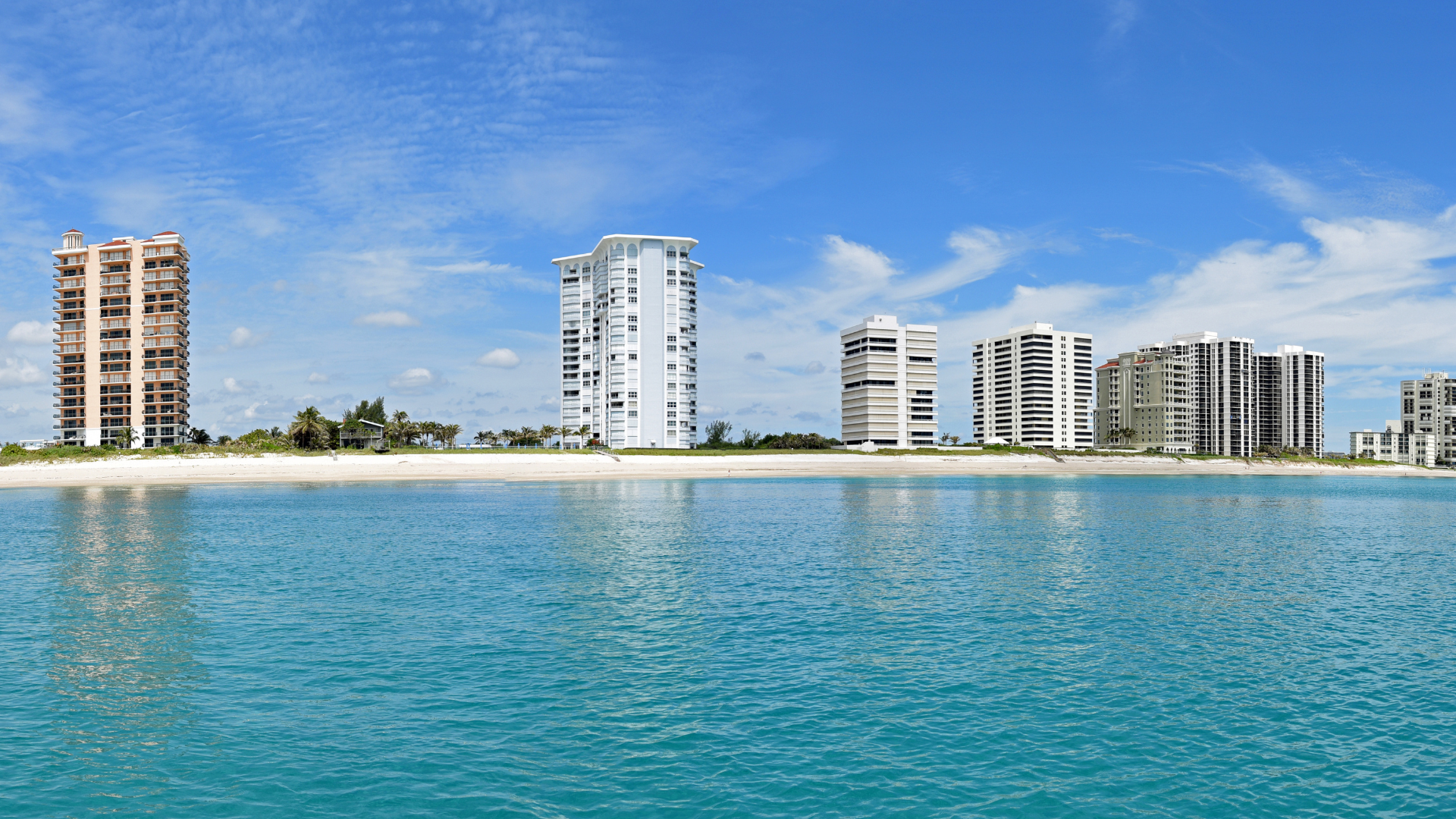
Singer Island looks uncomplicated from a distance. A narrow strip of land, the Atlantic to the east, the Intracoastal to the west, condominiums rising between the two. The selling point is obvious: water, almost everywhere you look.
Living here complicates the picture.
The Island Is Never Empty
The first clues are easy to miss (the conversations are not). There are signs along the road warning motorists about tortoises. Lights that seem harmless from a balcony become important after dark. Holes dug during an afternoon at the beach are supposed to be filled before leaving. Even a chair abandoned in the sand overnight can become an obstacle.
Palm Beach County's sea turtle nesting season runs for much of the year. Nests appear almost overnight. Roped-off patches of sand interrupt the otherwise orderly beach. Residents learn that darkness matters, that the shoreline belongs to other creatures after sunset, and that something ancient is happening only a few yards from landscaped pool decks and oceanfront towers.
Then there are the moments that arrive without warning.
One summer afternoon, two manatees appeared in the Atlantic close to shore. At first they were little more than dark shapes moving through the water. Then one surfaced, lifting its head just long enough to make the identification certain. A second followed some distance behind. Through binoculars, their slow progress along the shoreline became unexpectedly mesmerizing.
The instinct to run for a phone percolated and then subsided. A photograph would have been proof, something to keep and show later, but doing that would have meant looking away.
So the phone stayed where it was.
For several minutes, there was nothing to do but watch: two manatees moving through the Atlantic just beyond the shore, surfacing and disappearing, entirely indifferent to the fact that anyone had noticed them.
That kind of encounter feels especially suited to summer. The Atlantic is often calmer then, the shoreline easier to read, the water less insistent. It is difficult to imagine seeing the same quiet procession on one of those winter days when the surf is pounding hard against the beach.
The people along the shoreline change with the water too. On calmer mornings, fishermen stand at the edge of the Atlantic and cast directly into the surf, lines disappearing into water that only moments earlier looked empty. The scene can feel almost old-fashioned: bare feet in the wash, rods angled toward the horizon, everyone waiting for something beneath the surface to reveal itself.
A school of fish frolicking off the coast of Singer Island
The Atlantic Gives and Takes
The ocean itself seems to have two personalities.
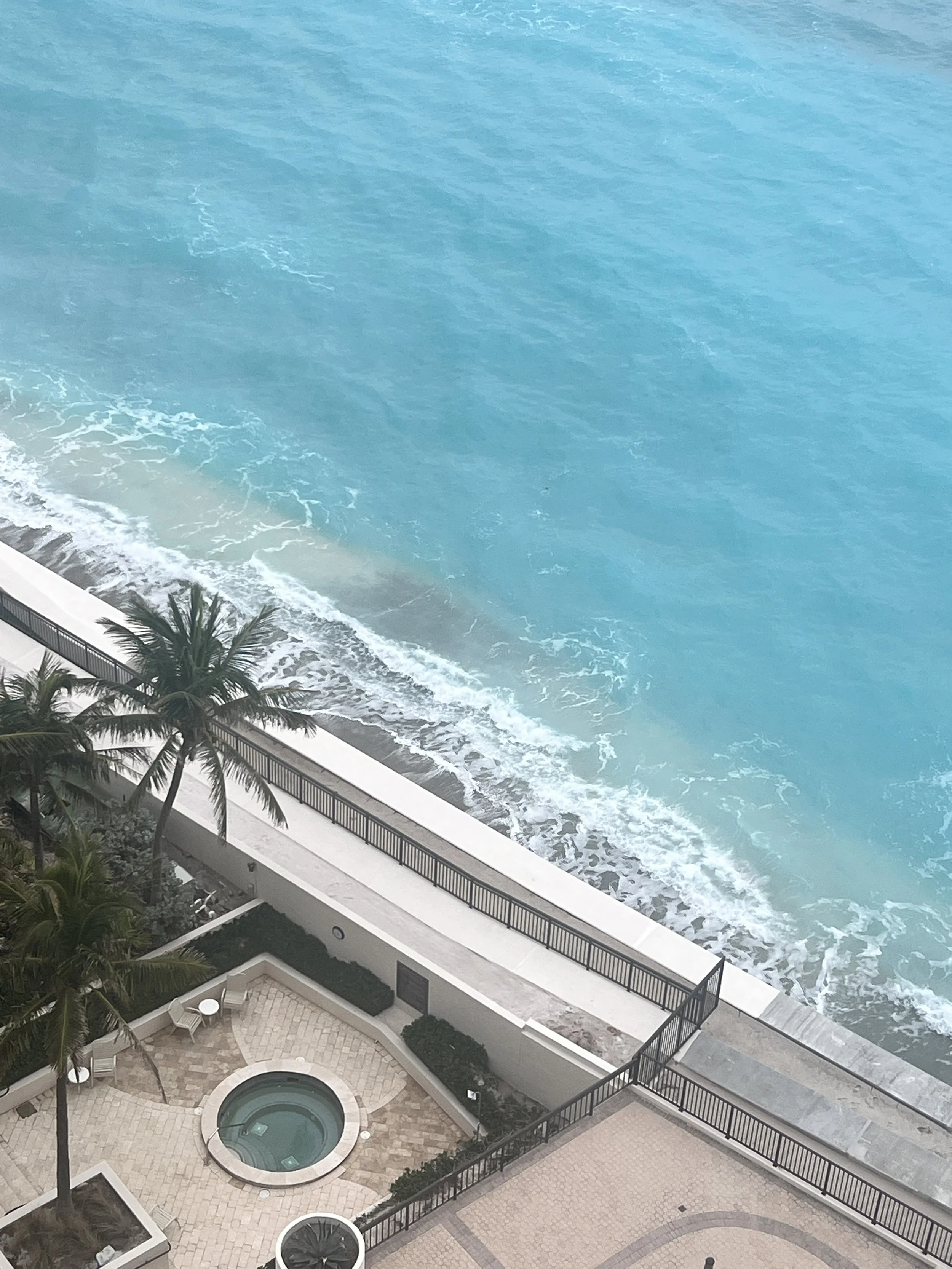
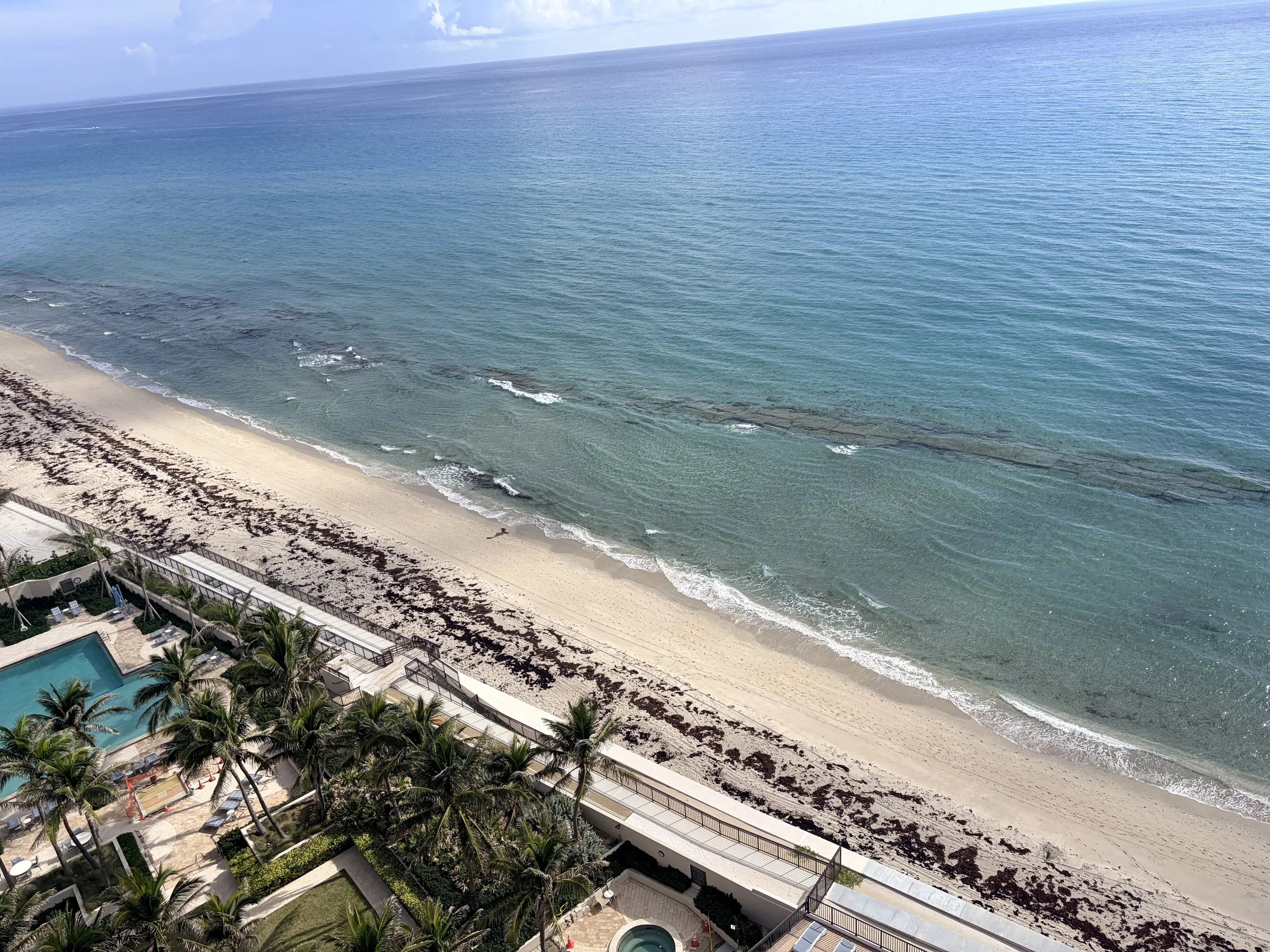
During Season, it can look almost combative. Waves arrive with force, striking the shoreline hard enough to make the buildings along it seem oddly provisional. The beach narrows. Sand disappears. From above, the water can look as though it is pressing against the island, testing how much of the shoreline it can reclaim.
The impression is not entirely theatrical. Portions of Singer Island's shoreline are critically eroded, and the county has repeatedly restored sand and beach areas after storms and wave damage. Living beside that movement makes the shoreline feel less permanent than it appears in photographs.
Then summer arrives and the relationship changes.
The Atlantic softens. The surf calms. What had looked like a narrow ribbon of beach (or no beach at all) can suddenly appear generous again, with more sand underfoot and more distance between the water and the buildings.
It is tempting to say the beach comes back.
Coastal science is more complicated than that. Sand is continually being moved by waves, currents, tides, storms and human intervention. But from the perspective of someone looking at the same stretch of shoreline throughout the year, the transformation feels unmistakable.
Winter takes. Summer gives back.
Not permanently, and never completely, but enough to change the character of the island.
The contrast is part of what makes Singer Island so compelling. One season, the Atlantic reminds everyone that this is a barrier island and that water ultimately sets many of the terms. Another, it settles into something almost generous, revealing sand, wildlife and a shoreline that feels newly accessible.
What Summer Reveals About Singer Island
This is the part of Palm Beach that Season can obscure.
The region is usually described through its winter identity: arrivals, reservations, social calendars, crowded restaurants and the annual return of people who organize their lives around Season.
Summer has a different rhythm.
On Singer Island, that difference is visible in the water. The ocean calms. The beach seems to widen. Turtle nests multiply across the sand. Manatees can appear close enough to shore to stop an afternoon in its tracks. Fishermen stand in the surf and cast toward water that looks, at first glance, completely empty.
The spectacle diminishes and the true Singer Island becomes easier to notice.
The Atlantic is no longer simply a view. The Intracoastal is no longer simply the water behind the buildings. The beach is not fixed, and the animals passing through it are not attractions scheduled for visitors.
They are part of the calendar.
Palm Beach has its famous Season.
But summer has one of its own.